
Hexham 01434 607677

Heat exhaustion dangers
Summer is a wonderful time of year for both people and pets. Longer days, warmer weather and family holidays mean more opportunities to spend time outdoors and enjoy the beautiful countryside around Hexham, Stocksfield and Bellingham. Whether it is a walk along the Tyne, a trip to the coast, relaxing in the garden or heading away on holiday, many of our pets enjoy being part of our summer adventures.
However, the warmer months also bring some significant health risks, and one of the most serious is heat exhaustion.
Many pet owners are aware of the dangers of leaving dogs in hot cars, thanks to years of awareness campaigns and the memorable message that ‘Dogs Die in Hot Cars’. What is perhaps less well known is that exercising pets in hot weather can be just as dangerous and, in some cases, even more common.
Hot car photo
Heat exhaustion occurs when an animal’s body temperature rises faster than it can cool itself down. If left untreated, heat exhaustion can rapidly progress to heatstroke, a life-threatening emergency that can cause damage to the brain, kidneys and other vital organs.
While dogs are most commonly affected, cats, rabbits and other small pets can also suffer from overheating, particularly during periods of prolonged warm weather.
Hot Walks Can Be as Dangerous as Hot Cars
Research carried out following the record-breaking summer of 2022 found that while approximately one in ten veterinarians working in small animal practice had treated at least one dog suffering from heat-related illness after being left in a hot car, almost four times as many had treated dogs that became unwell after being exercised in warm weather.
This highlights an important point: even responsible pet owners who would never dream of leaving their dog in a parked vehicle may unintentionally place their pets at risk simply by continuing normal exercise routines during hot spells.
Dogs do not sweat through their skin in the same way that people do. Instead, they rely primarily on panting to regulate their body temperature. Panting becomes much less effective in humid conditions, and if a dog is running, playing fetch or walking for extended periods, their body temperature can rise quickly.
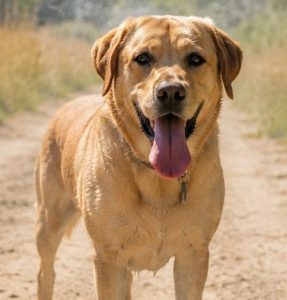 Many dogs are highly motivated to keep up with their owners and may continue running or playing despite becoming dangerously overheated. They do not always know when to stop.
For this reason, animal welfare organisations have extended their messaging to include another important reminder:
If in doubt, don’t go out.
On particularly warm days, missing a walk altogether is far safer than risking heat exhaustion. Dogs are often just as happy with enrichment activities at home, puzzle feeders, training sessions or a gentle play session indoors.
Which Pets Are Most at Risk?
Any pet can suffer from heat exhaustion, but some are more vulnerable than others.
Dogs with underlying heart or respiratory conditions may struggle to cope with higher temperatures. Flat-faced breeds such as Pugs, French Bulldogs and Shih Tzus often find it more difficult to cool themselves effectively because of their shortened airways.
Older dogs and puppies may also overheat more quickly, as can overweight dogs and breeds with thick or double coats.
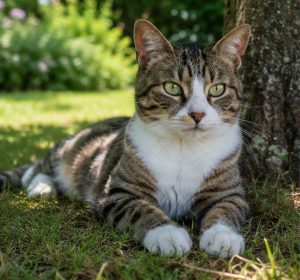
Cats are generally better at finding cool places to rest, but they are by no means immune to heat-related illness. Elderly cats, overweight cats and flat-faced breeds such as Persians and Exotic Shorthairs are particularly susceptible.
Indoor cats may be unable to escape warm conservatories or sun-filled rooms, while outdoor cats can become dehydrated if adequate water sources are not available.
Rabbits deserve special mention, as they are extremely sensitive to heat and can become critically ill very quickly.
Unlike dogs, rabbits cannot pant efficiently and rely mainly on blood vessels in their ears to help dissipate heat. Hutches positioned in direct sunlight can become dangerously hot, even on days that do not feel excessively warm to us.
Guinea pigs and other small mammals face similar challenges, especially if they live in enclosed accommodation with poor ventilation.
Recognising the Signs of Heat Exhaustion
Early recognition is essential because prompt treatment can save lives.
Signs of heat exhaustion in dogs and cats may include:
• Excessive panting that does not settle when resting
• Rapid or laboured breathing
• Drooling more than usual
• Bright red gums or tongue
• Weakness or lethargy
• Reluctance to walk or play
• Stumbling or appearing disorientated
• Vomiting or diarrhoea
• Collapse or seizures in severe cases
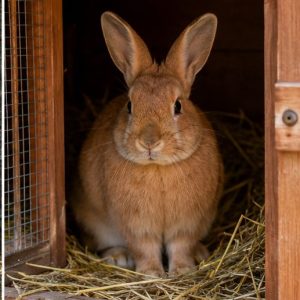
Rabbits and guinea pigs may show different signs, including:
• Rapid or shallow breathing
• Warm ears
• Lethargy or unwillingness to move
• Wetness around the nose
• Loss of appetite
• Weakness or collapse
If your pet displays any of these symptoms during warm weather, immediate action is required.
What Should I Do if I Suspect Heat Exhaustion?
The first priority is to stop any exercise or activity immediately and move your pet into a cool, shaded environment.
Offer small amounts of cool water to drink but do not force them to drink.
Wet their coat, paws and belly with room-temperature water. You can also place damp towels underneath them or position a fan nearby to help increase airflow.
It is important not to immerse your pet in ice-cold water, as cooling them too quickly can actually be harmful.
Contact your veterinary practice as soon as possible for advice, even if your pet appears to be recovering. Heatstroke can continue to cause damage internally after outward signs begin to improve.
Summer Safety Tips for Dogs
Walk dogs early in the morning or later in the evening when temperatures are at their lowest.
Avoid strenuous activities such as jogging, long hikes, cycling or chasing balls repeatedly.
Always carry fresh drinking water and a portable bowl when out walking.
Take frequent breaks in shaded areas and allow your dog to rest whenever they choose.
Remember the five-second pavement test. Place the back of your hand on the pavement for five seconds. If it feels uncomfortable for you, it may burn your dog’s paw pads.
Summer Safety Tips for Cats
Ensure cats have access to several bowls of fresh water, both indoors and outdoors.
Provide cool resting places away from direct sunlight and close curtains in particularly sunny rooms.
Brush long-haired cats regularly to remove excess fur and improve airflow around their bodies.
Be mindful of cats becoming trapped in greenhouses, sheds or conservatories.
Summer Safety Tips for Rabbits and Small Pets
Move hutches and runs into shaded locations throughout the day.
Provide frozen water bottles wrapped in towels for rabbits to lie beside.
Ceramic tiles placed in enclosures offer a cool surface for resting.
Check water bottles frequently to ensure they are functioning properly.
Improve ventilation around hutches while ensuring rabbits remain protected from predators.
Never cover hutches completely with blankets or towels, as this can restrict airflow and trap heat.
Enjoy Summer Safely
Warm weather should be enjoyable for everyone, including our pets. By making a few simple adjustments to daily routines, most cases of heat exhaustion can be prevented.
Remember that dogs do not need long walks every day, cats appreciate cool and quiet places to retreat, and rabbits often require more help from us to stay comfortable during periods of hot weather.
Taking precautions now can help ensure that your pets remain happy, healthy and safe throughout the summer months.
If you are concerned that your pet may be suffering from heat exhaustion or heatstroke, please contact Orchard House Veterinary Centres immediately. Our team is always here to help and advise, whatever the weather.